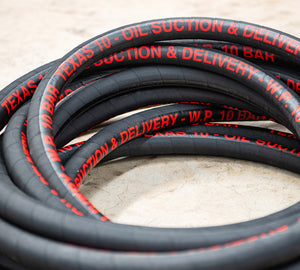


Your air compressor hose is one of the most important components in your pneumatic system, delivering the power that keeps your tools and machinery running. But like any hard-working piece of equipment, your hose needs regular attention to stay in good condition.
Without proper air hose maintenance, performance can drop, energy costs can rise and safety risks can increase.
In this guide, we’ll walk you through how to keep your compressed air hose in excellent working order, so your tools can always perform at their best.
Understanding Your Air Compressor Hose
An air compressor hose is designed to carry pressurised air from your compressor to your tools. It might look simple, but it plays a crucial role in maintaining consistent air pressure and ensuring efficiency across your system.
There are several common types of hoses, each with their own maintenance needs:
- Rubber hoses: flexible and durable, ideal for heavy-duty use.
- PVC hoses: lightweight and affordable, but can become stiff in cold temperatures.
- Polyurethane or hybrid hoses: combine flexibility with abrasion resistance.
Whatever type you use, ensuring it’s correctly rated for your compressor’s pressure and temperature is essential for safe operation and long service life.
Common Problems with Poorly Maintained Air Hoses
Neglecting air hose maintenance can lead to a range of issues that reduce efficiency and safety:
- Cracks, leaks or bulges from age and wear.
- Airflow restrictions that reduce tool performance.
- Moisture or debris build-up inside the hose, contaminating your air supply.
- Safety hazards such as tripping, hose whipping or sudden bursts.
Even a small leak can force your compressor to work harder, increasing energy consumption and mechanical strain, all while costing you more to operate.
Top Tips for Air Hose Maintenance
A little routine can go a long way towards extending the life of your air compressor hose. Here's what you should be doing regularly:
#1: Inspect Your Hose Frequently
- Check for cracks, soft spots and abrasions every week.
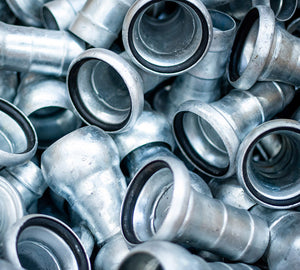
- Examine fittings and couplings for corrosion, looseness or wear.
- Listen for hissing sounds that may indicate small leaks.
Early detection can prevent minor issues from turning into expensive failures.
#2: Store Your Hose Correctly
Improper storage is one of the main causes of hose damage.
- Always coil the hose neatly, avoiding tight kinks or twists.
- Keep it off the floor to prevent crushing or contamination.
- Store in a cool, dry area away from direct sunlight or heat sources.
- Use a hose reel or hanger to reduce stress on the fittings.
Developing a habit for proper hose storage can save time and money long term.
#3: Keep It Clean and Dry
Moisture and debris are the enemies of a healthy compressed air hose.
- Drain your compressor tank regularly to prevent water from entering the hose.
- Blow out the hose occasionally to remove any dust, oil or contaminants.
- Avoid contact with solvents or chemicals that can weaken the hose material.
This simple maintenance step helps preserve air quality and prevents internal corrosion.
#4: Handle With Care
When moving or using your hose:
- Avoid dragging it over sharp edges or rough surfaces.
- Don’t pull it by the fittings. Always move it by the hose body.
- Keep it clear of hot machinery, oil spills and moving parts.
Taking care during daily use will significantly extend your hose’s lifespan.
When to Replace Your Air Hose
Even with the best care, every hose eventually wears out. Signs that it’s time for a new air compressor hose include:
- Persistent air leaks despite repair attempts.
- Noticeable stiffness or loss of flexibility.
- Visible cracks, blisters or bulges along the hose.
- Damaged or corroded fittings that cannot be tightened securely
When replacement time comes, choose a hose that is suitable for your application, considering pressure rating, temperature range, length and material.
At Merseyflex, we supply a wide range of compressed air hoses and fittings designed for durability and performance in demanding environments.
Preventing Downtime with Forward Planning
Regular air hose maintenance is one of the simplest and most cost effective ways to keep your pneumatic system performing safely and efficiently.
A well-maintained air compressor hose ensures reliable airflow, better tool performance and a safer working environment.
If any hose is showing signs of wear, or you simply want to upgrade to a higher quality option, contact Merseyflex today for expert advice and premium products that stand the test of time.

